
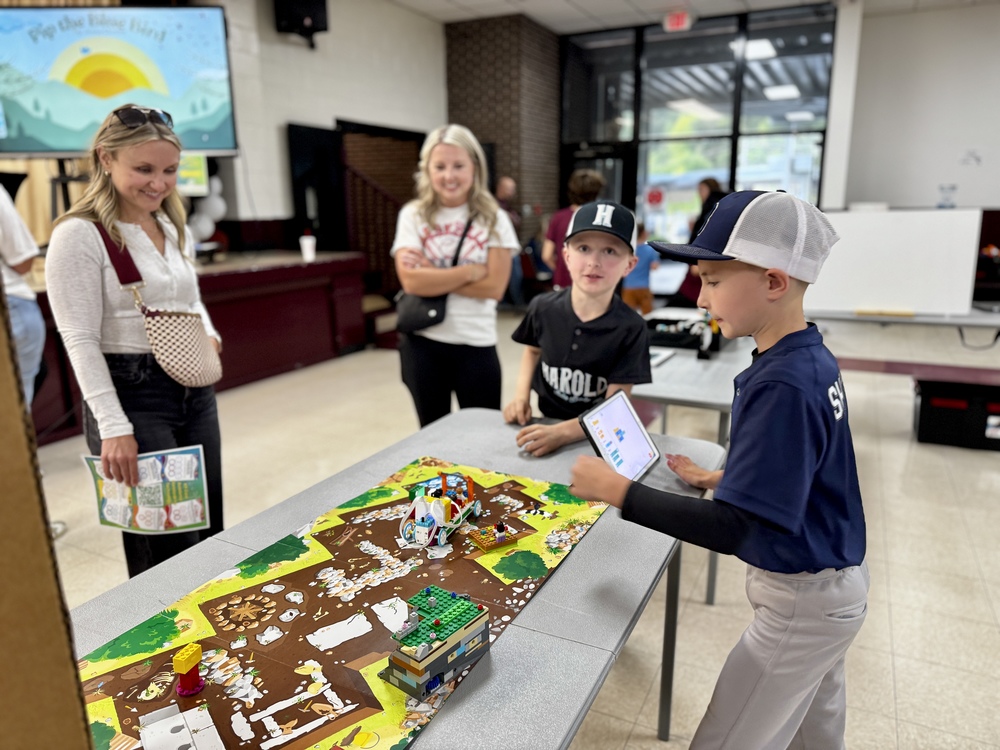
Students from every grade level lead hands-on, community-connected learning experiences that highlight innovation, interdisciplinary thinking, and the future of work in Appalachia.
Students from Pikeville Independent School District took the lead in creating an immersive evening of hands-on learning as the district hosted its 2026 STEAM Night, welcoming more than 300 guests for a dynamic showcase of innovation across all grade levels.
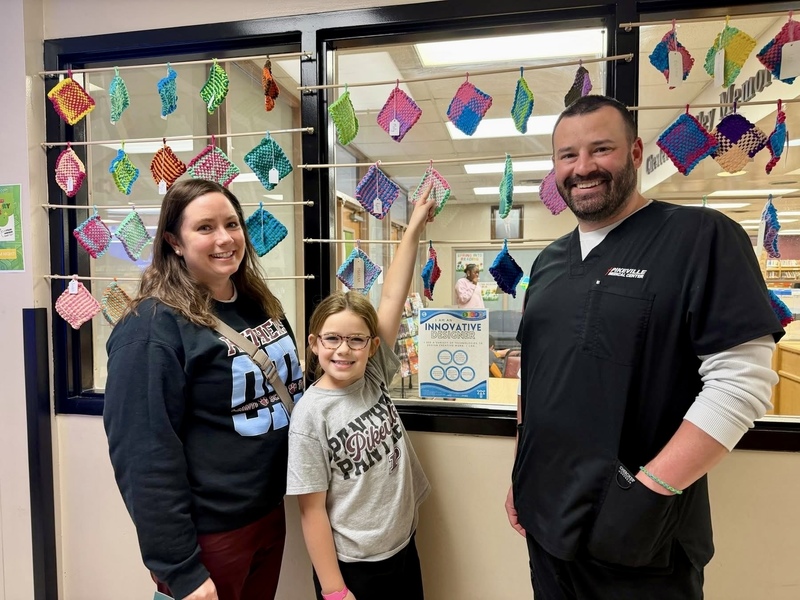
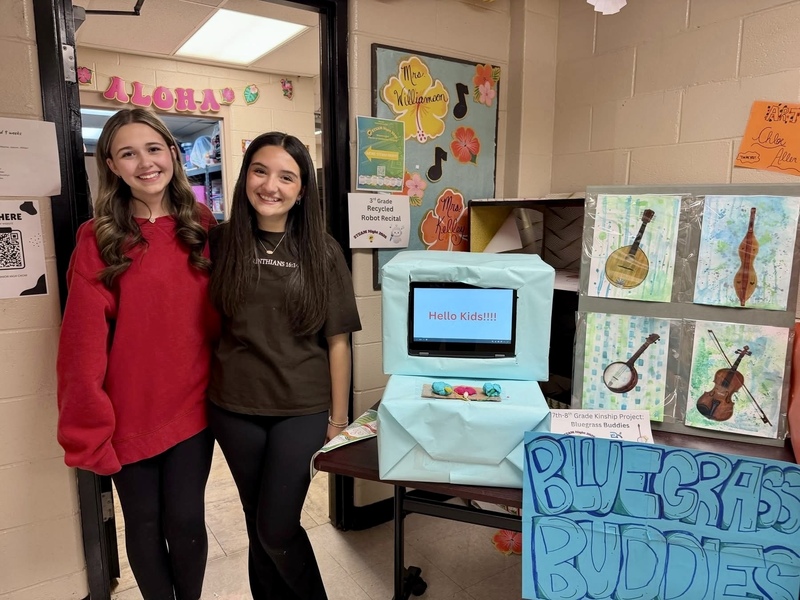
Creative projects highlight the integration of art and engineering, reflecting the “Woven Logic” theme of interconnected thinking across disciplines. [More Photos!]
Now in its 15th year since the district’s first STEM Night in 2011, the event has evolved to reflect a broader vision of learning that integrates the arts, humanities, & reading alongside science, technology, engineering, and mathematics. This year’s theme, “Woven Logic: The Art of Connected Thinking,” highlighted how ideas, disciplines, and real-world applications are interconnected across the K–12 experience.
“STEAM Night continues to be one of the most powerful ways we connect our classrooms to our community,” said Sarah Blackburn, Pikeville Independent Schools Community Schools Coordinator and Digital Learning Coach. “When students explain their thinking and invite others into the process, the learning becomes deeper and more impactful.”
Throughout the building, students from every grade level across the district designed and led interactive experiences that invited families and community members to actively participate. These exhibits represented the culmination of months of classroom instruction, where students engaged in project-based learning experiences that emphasized creativity, inquiry, and problem solving.
Across classrooms and shared spaces, students demonstrated competencies aligned to the Kentucky Academic Standards for Technology, including Innovative Designer, Computational Thinker, and Creative Communicator. These skills were evident as students applied digital tools and design processes to solve authentic challenges, build original creations, and present their ideas in meaningful ways.
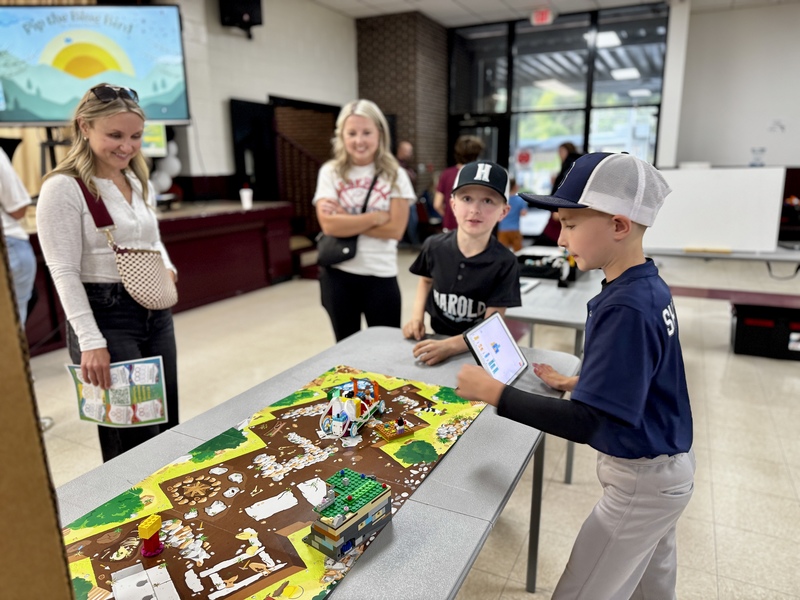
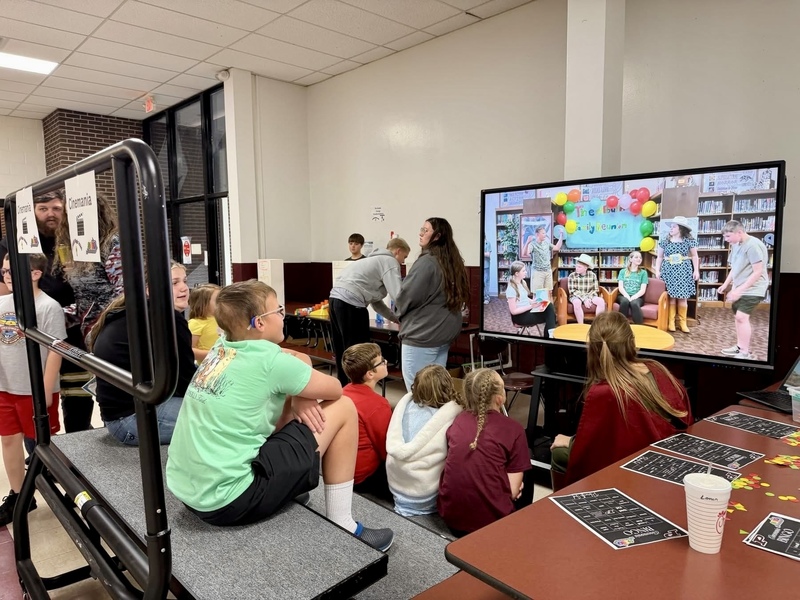
A consistent theme throughout the evening was the intentional shift from using technology as a tool for consumption to using it as a platform for creation. Students combined physical builds with coding, robotics, and digital design, demonstrating how technology can be used to construct knowledge and communicate solutions.
“Our students are actively designing, building, and applying their ideas,” Amanda Robinson, Pikeville Elementary STEAM Teacher and STLP Coach. “They are not just completing projects, they are using what they’ve learned to create something meaningful.”
Interdisciplinary connections were evident throughout the event. Students engaged in data-driven digital storytelling within English Language Arts, game design projects in sixth grade social studies, and creative performances such as music class robot recitals and collaborative initiatives like Bluegrass Buddies. Visual art and textile displays reinforced patterns, structure, and design thinking, bringing the event’s “Woven Logic” theme to life.
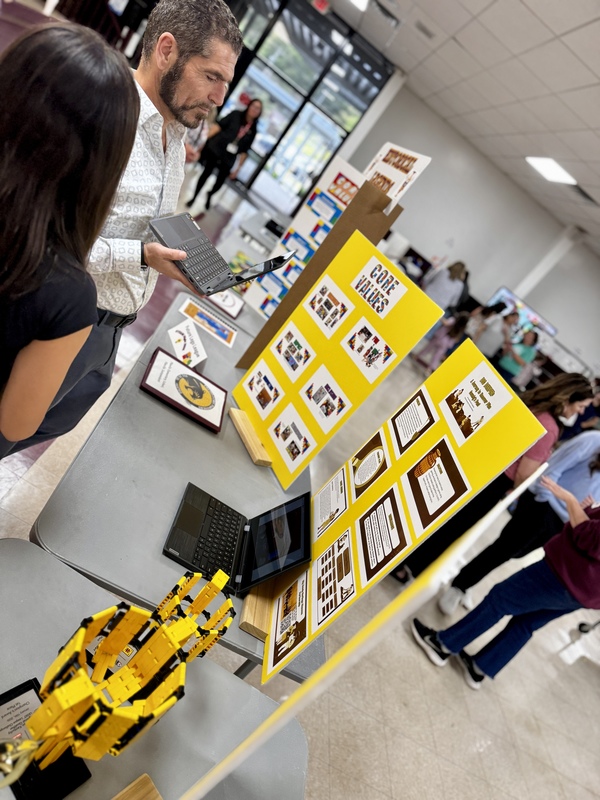
Advanced student work further highlighted the district’s strong technology programs. Exhibits included robotics and coding projects connected to Kentucky’s Student Technology Leadership Program (STLP), as well as engineering and design work aligned with the Technology Student Association (TSA). Students also showcased their preparation for upcoming national competitions, including First LEGO League (FLL) and TSA events scheduled for June 2026, following recent success at the state level.
“What stands out is how clearly students are making connections across disciplines,” Neil Arnett, Pikeville Independent Schools Director of Technology. “Through the support of our district's leadership, from the top down, educators have the professional flexibility to create incredible opportunities for our students. Pikeville students are combining creativity, engineering, and technology to solve problems and bring their ideas to life.”
Student projects also reflected a strong connection to place and community. Exhibits such as Appalachian Journey, Into the Mines, and Pikeville of the Future encouraged participants to explore how local geography, resources, and culture influence innovation and decision-making. These experiences connect directly to the district’s work through the National Science Foundation-supported Drawing on Kinship initiative in partnership with Digital Promise, which focuses on community-responsive, culturally grounded project-based learning.
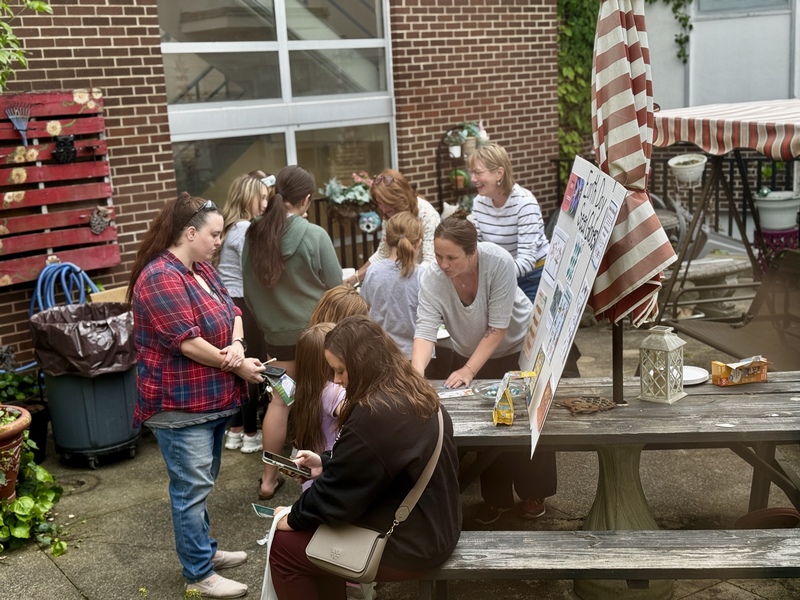
The event also highlighted collaboration with key community partners, including BitSource, Inc., Pikeville’s Appalachian Roots Garden Club, and the University of Pikeville Arts and Humanities Department. These partnerships extended learning beyond the classroom and reinforced real-world applications tied to the evolving future of work in Appalachia.
Behind the scenes, more than 30 faculty, staff, and administrators contributed to the planning and execution of the event, representing months of instructional design, collaboration, and classroom innovation brought together into a single evening experience.
With strong attendance, broad participation across all grade levels, and a clear focus on applied learning, the 2026 STEAM Night reflects Pikeville Independent School District’s commitment to creating meaningful, connected learning experiences. The event stands as a powerful example of how students can think critically, design creatively, and apply their knowledge in ways that reflect both their community and an increasingly connected world.
This material is based upon work supported by the National Science Foundation under Grant No. 1923314 and 2219401. Any opinions, findings, and conclusions or recommendations expressed in this material are those of the author(s) and do not necessarily reflect the views of the National Science Foundation.